

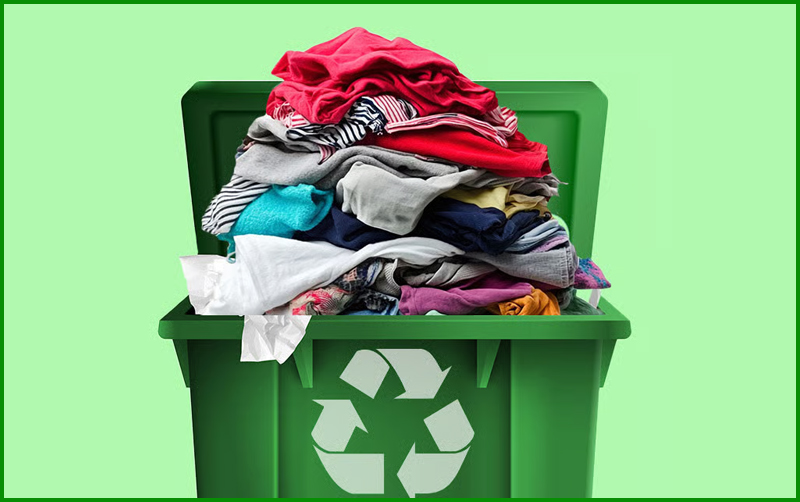
Japan aims to cut 25% of clothes waste by 2030 via recycling, reuse
07 February 2026: Japan aims to reduce household clothing waste by 25% by fiscal year 2030, compared to 2020 levels, to combat the environmental impact of textile disposal and promote a circular economy. The initiative, driven by the Environment Ministry, focuses on enhancing recycling infrastructure, increasing second-hand clothing usage and fostering durable, easy-to-recycle designs.
As textile product waste has become a major issue worldwide, with the fashion sector generating an estimated 92 million tons annually, according to U.N. Development Program. Based on a new action plan to be compiled by March, Japanese government will promote wider reuse and recycling of clothes, calling on local governments, businesses and households to work together.
A total of 820,000 tons of new clothing was estimated to be supplied in Japan in 2024, most of which was imported, according to an Environment Ministry report. With sales to secondhand stores and recycling into repurposed textiles limited, an estimated 560,000 tons of clothing were incinerated or sent to landfills in 2024, about 90% of which came from households.
Municipalities will be encouraged to improve collection rates and make secondhand clothing more accessible to citizens in need, while apparel companies will be asked to design products that are easier to repair or reuse. Households will be called on to recycle clothing and choose environmentally friendly products.
Citing challenges such as establishing a system to collect discarded clothes for recycling and designing clothing items that are easy to be recycled, the action plan would show measures that need to be taken by consumers, local governments and businesses.
The action plan would also include numerical targets regarding how much of the 25% reduction should be achieved each by reducing clothing waste from households and by reusing and recycling secondhand clothes, the sources said.