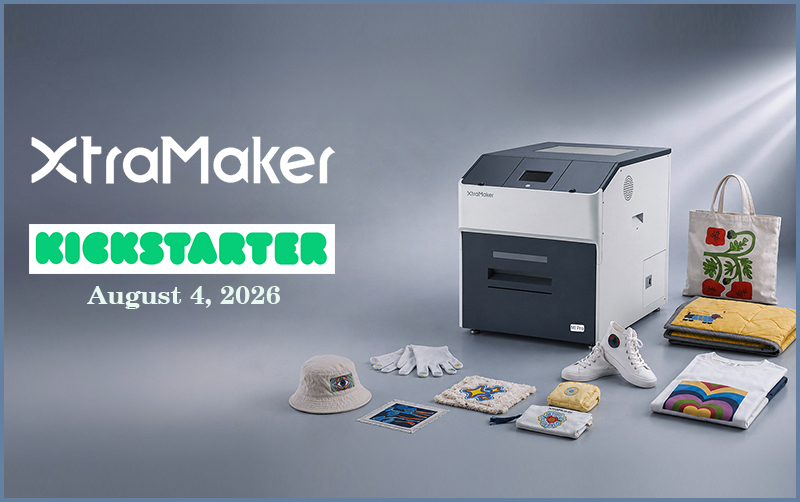


Screen-Printing Machine Market Expected to Reach US$12.67 billion by 2033: Report
28 March 2026: Global Screen-Printing Machine Market size reached US$ 9.39 billion in 2025 and is expected to reach US$ 12.67 billion by 2033, growing with a CAGR of 3.9% during the forecast period 2026-2033.
Screen-Printing Machine Market encompasses the production, sales, and adoption of machines designed for transferring ink or other materials onto various substrates such as textiles, plastics, glass, metals and paper through a mesh stencil. These machines are widely used across industries including apparel, electronics, packaging, signage, and advertising. Rising demand for customized and high-quality prints, along with advancements in automated and digital screen-printing technologies, is driving market growth globally, making the equipment essential for mass production and specialty printing applications.
Recent Key Developments of United States ….
– December 2025: US manufacturers advanced automation in screen-printing machines, integrating AI for defect detection to cut downtime by 25% amid rising textile demands.
– November 2025: Demand surged for eco-friendly screen printers in packaging, driven by regulatory pushes for sustainable inks in North America’s dominant market share.
– October 2025: Hybrid digital-screen systems gained traction, boosting throughput for customized electronics printing in key industrial hubs.
Recent Key Developments of Japan ….
– January 2026: Japanese firms advanced AI-integrated multifunctional screen printing machines under Industry 4.0, improving precision and sustainability to cut carbon footprints.
– December 2025: Integration of AI-driven automation in Japan’s screen printing machines gained traction, aligning with smart manufacturing trends for higher throughput in electronics.
– November 2025: Multifunctional machines with eco-friendly inks proliferated in Japan, supporting automotive and textile sectors via government-backed sustainable initiatives.
– October 2025: Fully automatic screen printing adoption surged in Japan’s fashion and semiconductor industries, featuring IoT for real-time quality control and regulatory compliance.
Market Drivers
One of the foremost drivers is increasing demand for customization across industries. Brands in apparel, packaging, and advertising seek distinctive designs and short-run capabilities, for which screen printing offers proven flexibility and quality. Technological advancements such as automation, integration of computer-aided design systems, and robotics enable higher productivity, better precision, and lower operational costs, fueling wider adoption. Furthermore, the adaptability of screen-printing machines to a variety of substrates (textile, plastics, metal, glass) expands potential applications beyond traditional markets.
Market Restraints
Despite growth, the market faces notable restraints. High production and setup costs for advanced automatic machines can deter smaller businesses and slow adoption in price-sensitive regions. The process also often requires skilled technicians, creating a technical skills gap that limits effective utilization of sophisticated systems. Additionally, economic volatility can impact capital expenditures during downturns, firms may delay purchasing new equipment. Competition from digital printing technologies, which offer faster setup and flexibility for ultra-short runs, also places pressure on traditional screen printing, especially in some niche applications.
Market Opportunities
Several attractive opportunities lie ahead. Emerging markets in Southeast Asia, Africa, and Latin America remain underpenetrated, offering expansion potential as industrialization and consumer demand grow. There are also opportunities in hybrid systems that integrate digital and screen printing processes, combining the strengths of both technologies and appealing to diversified printing needs. Another promising avenue is the functional and electronics printing sector – screen printing’s ability to deposit conductive inks with precision positions it well for growth in printed electronics, sensors, and other high-value industrial applications. Customization and modular machine designs that cater to specific customer needs further expand market reach. Regulatory and governmental incentives that promote green manufacturing and smart production can also encourage investment.
Market Segmentation
Screen-Printing Machine Market is broadly segmented to reflect differences in technology, application needs, and customer profiles. One of the principal bases for segmentation is product type. The market typically distinguishes between automatic, semi-automatic, and manual machines. Fully automatic machines dominate in industrial settings due to their high throughput, consistency, and integration with production workflows, while semi-automatic solutions are preferred by small and medium enterprises seeking a balance between cost and productivity. Manual machines continue to be relevant for craft, small-scale and educational applications where flexibility and affordability are prioritized.
Another dimension is machine configuration, which is classified into flatbed (sheet type), rotary (for cylindrical substrates and high-speed packaging), cylinder (roll-to-roll), and hybrid systems that combine screen printing with digital technologies. This reflects how versatile printing needs from rigid panels to continuous fabric shape adoption.
Regional Insights
Asia-Pacific stands out as the largest and fastest-expanding regional market. Countries such as China, India, and Southeast Asian nations have strong manufacturing bases for textiles, electronics, and packaging core sectors consuming screen-printing machines. Competitive labor costs, growth in export-oriented industries, and rising domestic demand for printed apparel and products contribute to Asia-Pacific’s dominant share. The region also sees rapid uptake of both semi- and fully automatic systems as manufacturers pursue operational efficiencies.
In North America, the market is driven by advanced manufacturing capabilities, high adoption of automated screen printing technology, and a healthy custom apparel and promotional products sector. Mature industrial infrastructure and continuous investment in R&D also support technological upgrades. Europe maintains steady growth with a focus on environmentally compliant and high-precision machinery due to stringent regulatory standards that push innovation in sustainability and energy-efficient systems.
Latin America (notably Brazil and Mexico) shows moderate growth predominantly in textiles and commercial printing, although broader economic challenges can temper capital investment in advanced equipment. Middle East & Africa remains an emerging market, with gradual adoption as countries diversify manufacturing industries beyond traditional sectors and pursue industrialization strategies.
https://www.datamintelligence.com/reports-subscription