
IAF 3D Printing Cuts Delays for Russian Aircraft Spares
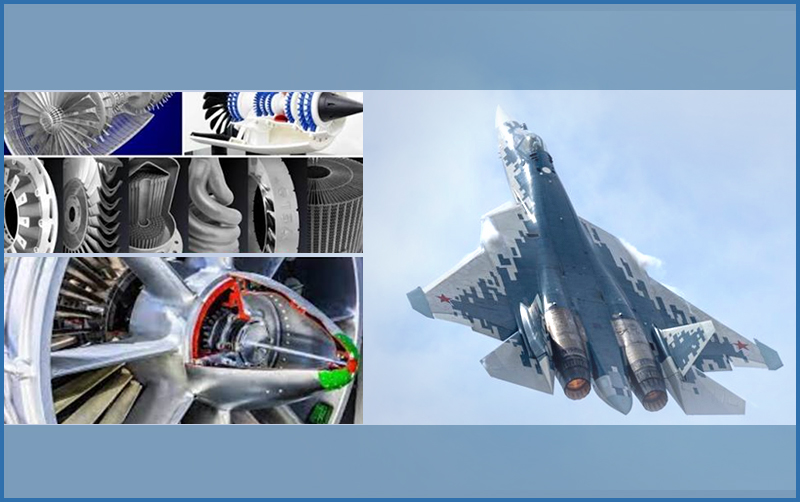
24 August 2026: The Indian Air Force has begun using IAF 3D printing at a Base Repair Depot to make rubber replacement parts for Russian-origin aircraft, The Tribune reported on August 19, 2026 from New Delhi. The change cuts months-long overseas lead times to days.
How IAF 3D printing replaces slow mould-based sourcing
Russian-origin fighters, transport aircraft and helicopters use many small parts, including brackets, ducts, seals, gaskets and rubberised fabric linings. Some are difficult to obtain because original manufacturers may need months to supply them.
Conventional injection or compression moulding needs a dedicated mould for each part. The IAF instead prints components from reusable digital design files using flexible thermoplastic elastomers, commonly called TPU and soft photopolymer resins. This method suits single items and small batches.
Which printed parts can enter service ?
A printed component does not move straight from the machine to an aircraft. Depot teams test its flexibility, sealing performance and durability before approving it for use. The IAF began with non-critical components and is now progressing towards critical parts.
Why are Russian-origin aircraft affected ?
The move to delayed supplies for the IAF’s Russian-origin fleet, which includes Su-30MKI and MiG-29 fighters as well as Mi-17 helicopters. Russia’s defence industry has faced strain during the Russia-Ukraine war, making local substitutes more useful for aircraft availability. The same effort covers imported consumables. According to the report, the IAF has worked with Indian companies on substitutes for Russian engine oils, hydraulic fluids and greases used in turbines, landing gear and other systems.
How does AI fit into Su-30MKI maintenance ?
The IAF and IIT Bombay are also developing predictive-maintenance tools for Su-30MKI engines. Their physics-informed AI model is intended to create a continuing health index from sensor data, diagnostics and analytics, warning maintenance teams when an engine may need attention. It remains a development project, not a deployed fleet-wide system.
Where else has the military used 3D printing ?
Construction is a separate use case. The Ministry of Defence said the Indian Army opened a 71 sq m, two-storey 3D-printed dwelling at Ahmedabad Cantonment on December 28, 2022. The Military Engineering Services and MiCoB completed it in 12 weeks. Screen Print India has also covered MiCoB’s work on 3D-printed bunkers for the Army.
FAQs ….
What materials does the IAF use for printed rubber parts ?
The reported materials are flexible TPU and soft photopolymer resins, chosen for parts that need elasticity or sealing performance.
Does 3D printing remove testing requirements ?
No. The Base Repair Depot tests each part for flexibility, sealing and durability before approving it for aircraft use.