


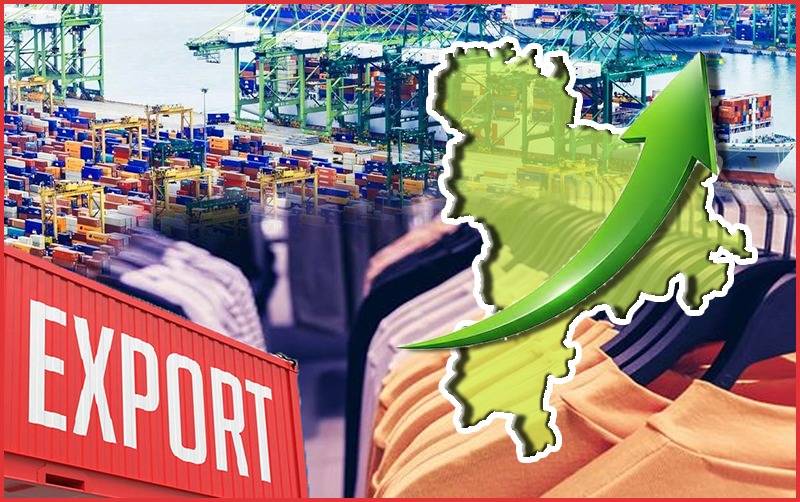
Tiruppur Apparel Exports Near ₹46,000 Crore in FY26
28 September 2026: Tiruppur apparel exports reached about Rs.46,000 crore in financial year 2025–26, according to figures the Tiruppur Exporters’ Association (TEA) presented at its annual meeting. At the 36th Annual General Body Meeting, held in Tiruppur on 23 September, TEA President K.M. Subramanian said the cluster was exploring more production and exports of manmade-fibre (MMF) garments, technical textiles and performance wear.
Tiruppur apparel exports look beyond cotton knitwear
Tiruppur’s manufacturing base is known for knitwear, but TEA is pointing exporters toward product lines that use different materials and capabilities. MMF clothing, for example, calls for synthetic-fibre sourcing and dependable processing; technical textiles require specifications beyond everyday apparel. These are areas the association says it wants to develop, not proof that the cluster has already shifted its export mix.
Trade access is another part of the plan. Subramanian urged exporters to make better use of free-trade agreements and adopt more technology. An AEPC seminar in Tiruppur on rules of origin covered one condition that determines whether a shipment qualifies for an agreement’s tariff treatment. A lower tariff on paper does not automatically apply to every product or supplier.
Buyer plans are not confirmed Tiruppur orders
TEA Joint Secretary Kumar Duraiswamy told The Hindu that international buyers were looking at doubling supplies from India by 2030. That is a reported sourcing intention, not a confirmed order book for Tiruppur. Exporters still have to win specific programmes and meet each buyer’s price, quality, compliance and delivery terms.
That shift takes more than a new product catalogue. Processing, testing and traceability affect whether a factory can win orders in a new category. Screen Print India has separately reported SITRA’s Tiruppur textile-processing project, while an earlier report covered TEA’s decision to join Textile Exchange. Both are industry context; neither means new capacity is already operating or every member meets the same sustainability standard.


Sorry, the comment form is closed at this time.